Every RPG table has a figure at its center, and they're not quite a player. It's the Game Master, the person who holds an entire world in their hands while everyone else holds only their own characters. I've always found this role the most fascinating thing about RPGs, the hardest and most powerful seat at the table. If you've ever wondered what exactly this person does, and whether you can play without one, this article is for you.
What does a Game Master do?
The Game Master controls everything in the game except the actions of the players' characters. They narrate the world and describe what the characters see and feel, bring to life every character the players don't control, make rulings like a judge, roll the dice for enemies and situations, and keep the story moving coherently. They are, all at once, the eyes, the voice and the laws of the world.
The many jobs of a Game Master
What's striking is how many hats this person wears in a single session. One moment they narrate, painting the landscape of a forest or the inside of a tavern. The next they act, giving voice and personality to an old innkeeper or a menacing villain. Right after, they judge, deciding whether that risky action succeeds and what it costs. And the whole time they conduct the pace, the tension and the surprise, so the story can breathe. It's no accident that the role goes by several names, from Game Master to narrator to referee, each highlighting one of these jobs.
Can you play without a Game Master?
That's the question a lot of people ask, and the answer is yes. There's a whole world of solo RPGs, played with no human GM, and it splits into two very different paths. Both are worth knowing, because they ask opposite things of you.
The path of becoming your own Game Master
The first path is to take both seats yourself. With the help of tables and a tool called an oracle, a structured way of asking the world questions and drawing random answers, you play at once as the hero and as the Game Master of your own adventure. It's a treat for anyone who enjoys improvising and writing, but it demands exactly that: the talent and the willingness to narrate. It's like playing chess alone, moving both the black and the white pieces. It works, and some people love it, but you're still playing both sides of the board.
The path of the book that is the Game Master
The second path is the gamebook, and this is where the work lifts off your shoulders. In a gamebook, you don't have to play both sides, because the book itself is the Game Master. It's the book that narrates the scenes, gives voice to the characters, presents the dangers and keeps track of the rules. What's left for you is the best part: being the protagonist and deciding what to do. Back to chess, it's as if you played only your own pieces, while an invisible, well-prepared partner took care of everything else on the board for you, freeing you to think only about your move. You get all the thrill of deciding, without the work of running it.
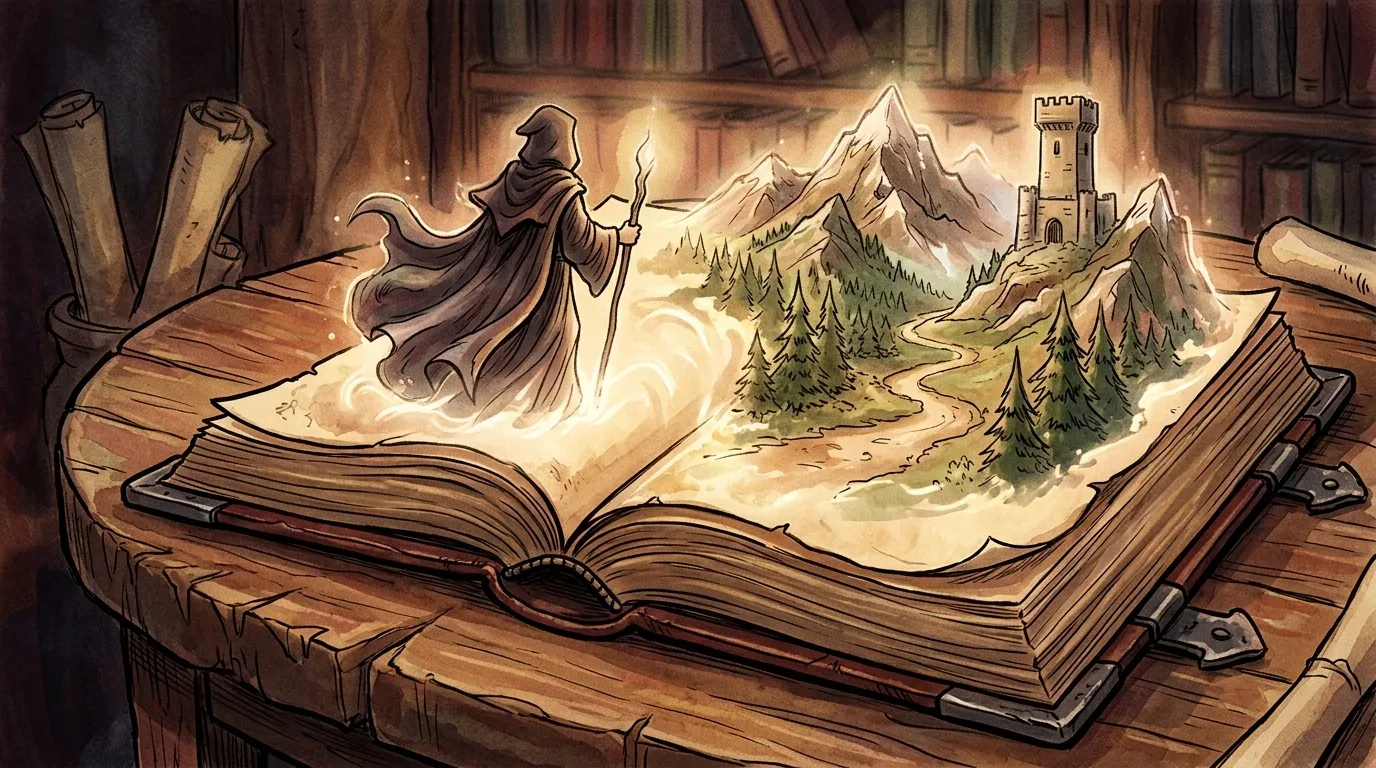
In Mysteries & Perils, the Game Master is the adventure itself
It was this second idea that I brought to Mysteries & Perils. In it, the role of Game Master is played by the adventure, written and illustrated by hand along paths that branch with your choices, together with the game engine. It's the adventure that narrates the scenes and brings to life the characters you meet, and it's the game that applies the 2024 fifth edition rules and rolls the dice, always on the server, the right way. You're left with the part that matters: living out the story and making the decisions that move it.
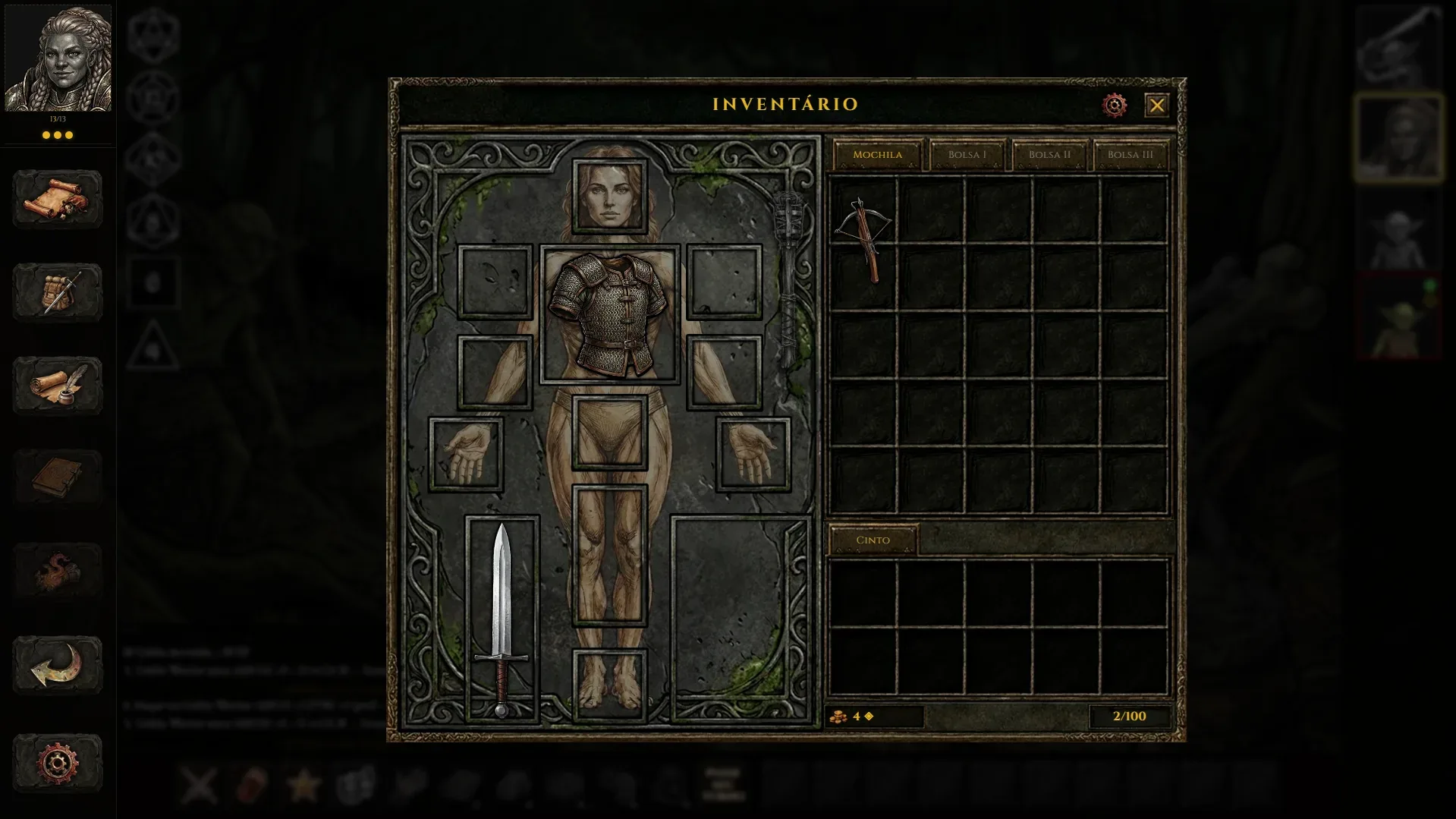
To be fair, a human GM has a gift a book doesn't, the gift of improvising in the face of whatever nonsense the players dream up. In exchange, the gamebook offers you an adventure thought through and cared for in every detail, always available, on your schedule, running everything for you without needing to gather anyone. You don't have to memorize a single rule, the game does that for you, and you don't have to be the Game Master or find one. Just open your browser and be the protagonist of your story. If that idea appeals to you, join the waitlist and come play your adventure.
By Mario, creator of Mysteries & Perils, a Baldur's Gate 1 fan raised on gamebooks.