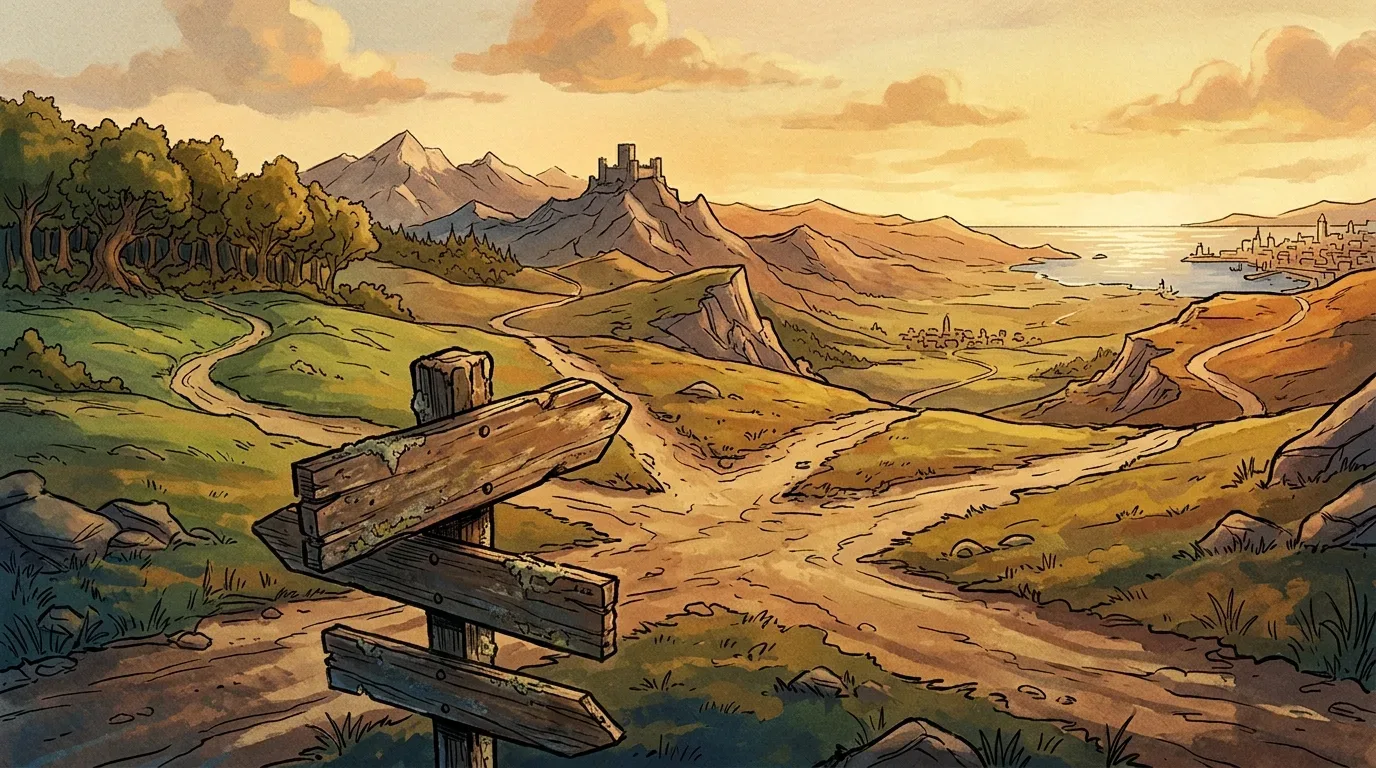
I come from an era when getting started took real effort. There was the CD-ROM that scratched at the worst moment, the forty-minute install, the "not enough disk space", the missing video driver, the game that ran on your friend's computer but not on yours. Between wanting to play and actually playing, there was always a little mountain to climb. So when someone asks me whether you can really play an RPG straight in the browser, without downloading a thing, I understand the doubt in the question. And the short answer would've made my teenage self smile.
So, can you play an RPG in the browser without downloading anything?
Yes. Today a full game, with graphics, sound, combat and saved progress, runs inside the browser tab itself, on your computer or your phone, with no install, no app store, and without taking up space on your device. You open a link and you play. The mountain between wanting to play and playing has basically vanished.
How the browser became a real place to play
It wasn't always like this, and it's worth understanding what changed, because that's what separates an empty promise from reality. For years, browser games meant Flash, that plugin that ran the little games on Flash portals. Flash was finally retired at the end of 2020, and plenty of people bet that browser games would head to the graveyard with it. What happened was the opposite: browsers themselves grew and started doing natively what used to need a plugin.
Personal aside: every time I think of Flash, I picture Santa and the reindeer singing Green Day's "Basket Case".
Three technologies make this possible today, and I can explain them without turning this into a computing lecture. HTML5 builds the structure of the screen, the buttons, the boxes, the skeleton of the game. WebGL talks directly to your device's graphics card to draw 2D and 3D images with hardware acceleration, the same idea behind the graphics of an installed game. And WebAssembly, maybe the most important piece, lets the browser run code written in heavyweight languages like C++ and Rust at close to native speed. According to Mozilla itself, the maker of Firefox, WebAssembly was created specifically to handle the things browsers couldn't before, like 3D games and video editing, delivering performance close to native. No wonder game engines as respected as Unity and Godot already export straight to the browser.
Put simply: the browser stopped being a place for mindless time-wasters and became a real gaming platform.
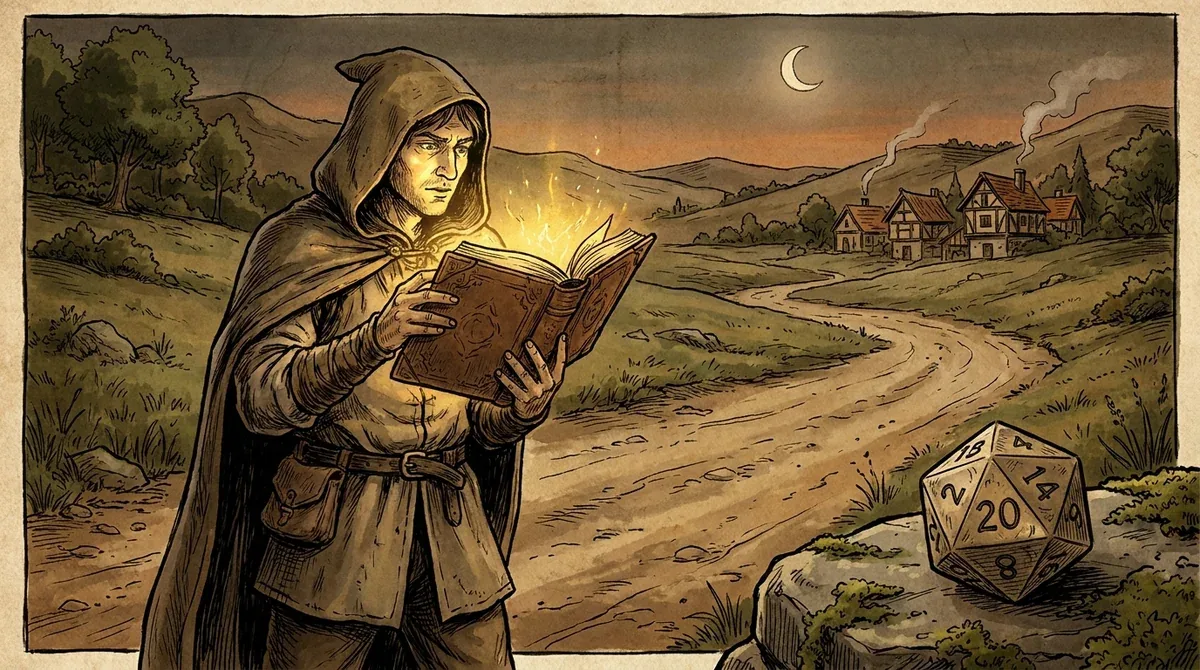
"But aren't browser games kind of weak?"
It's a fair question if you remember the little Flash games. The skepticism was fair back in the Flash days, but it simply hasn't kept up with what the browser has become. It's the same distance between the phone that only made calls and played Snake and the device that today runs your bank, your camera and your photos in the cloud. The object has the same name, "phone", but it turned into something else. It was the same with the browser. It's still "the browser", but underneath it's a machine that can run a game with characters, combat, physics and a world, without needing anything installed.
The proof: even D&D runs in the browser
If it still sounds too good, look at who already plays this way. Roll20, a platform for playing tabletop RPGs online, has been an officially licensed partner of Wizards of the Coast, the owner of Dungeons & Dragons, since 2016, and it runs entirely in the browser, with nothing to download. In other words, D&D tables happen inside a tab every day, with the blessing of the game's own owner.
And there's even more direct proof for people who like to play solo. In 2023, Wizards itself released "Before the Storm", an official choose-your-own-adventure playable for free in the browser, where you pick one of five ready-made characters and go through a story that teaches the 5th edition rules as you play. An official digital gamebook, in the browser, made to welcome newcomers to D&D. If the biggest RPG brand in the world chose the browser to say hello, who am I to ignore that!?
Why is playing in the browser better for you?
The easiest way to feel the advantage is to think about how you listen to music today. Back in the day, having a song meant buying the CD, keeping the little case, and later downloading the file and hoping it would fit on your device. Today you open the app and the music plays, on your phone, your computer, at a friend's place, and it picks up exactly where you left off. You no longer own a pile of files and folders, you have instant access. That's what playing in the browser is, applied to games. There's nothing to install or update, it doesn't eat your device's memory, and the same adventure is waiting, open, on whatever screen you sit down at.
Add to that the freedom to set your own pace. A game like this fits into fifteen minutes waiting in line at the bank or a three-hour marathon on the weekend, because you stop whenever you want and pick up right where you left off. It's the opposite of the heavy commitment of downloading, configuring and blocking off the whole evening.
And that's without even getting into playing in a group: rounding up willing people, with the same free hours, who actually show up whenever you feel like playing.
And this isn't a niche bet, it's where people's habits are heading: wanting to open and play, with no install. A related trend is cloud gaming, which is a different technology, where the game runs on a distant server and reaches you streamed over the internet; even so, out of that same wish not to install anything, Statista's projections point to something close to ten billion dollars and around half a billion players by roughly 2030. Playing in the browser taps into that same habit, with the advantage of running right there, on your device, without depending on a distant server to draw every frame for you.
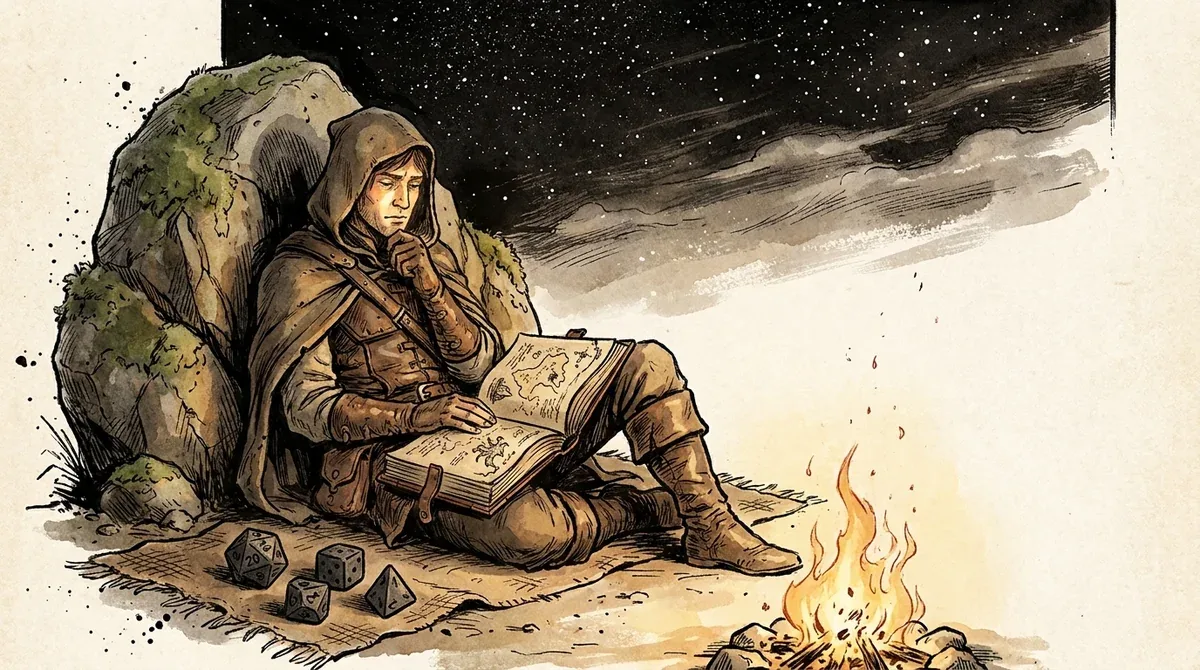
What about the internet? And does it run on an ordinary phone?
Two fair questions from anyone coming from "install it and play offline". Yes, playing in the browser needs a connection, the same way listening to music on a streaming app does: while you play, you need to be connected, and in exchange it downloads nothing and takes up no space on your device. And no, you don't need a gamer's rig. A gamebook like this runs smoothly on an ordinary phone or laptop, because the weight is in the story and the choices, not in heavy real-time graphics, high frame rates, 3D and the rest.
This is exactly what Mysteries & Perils is
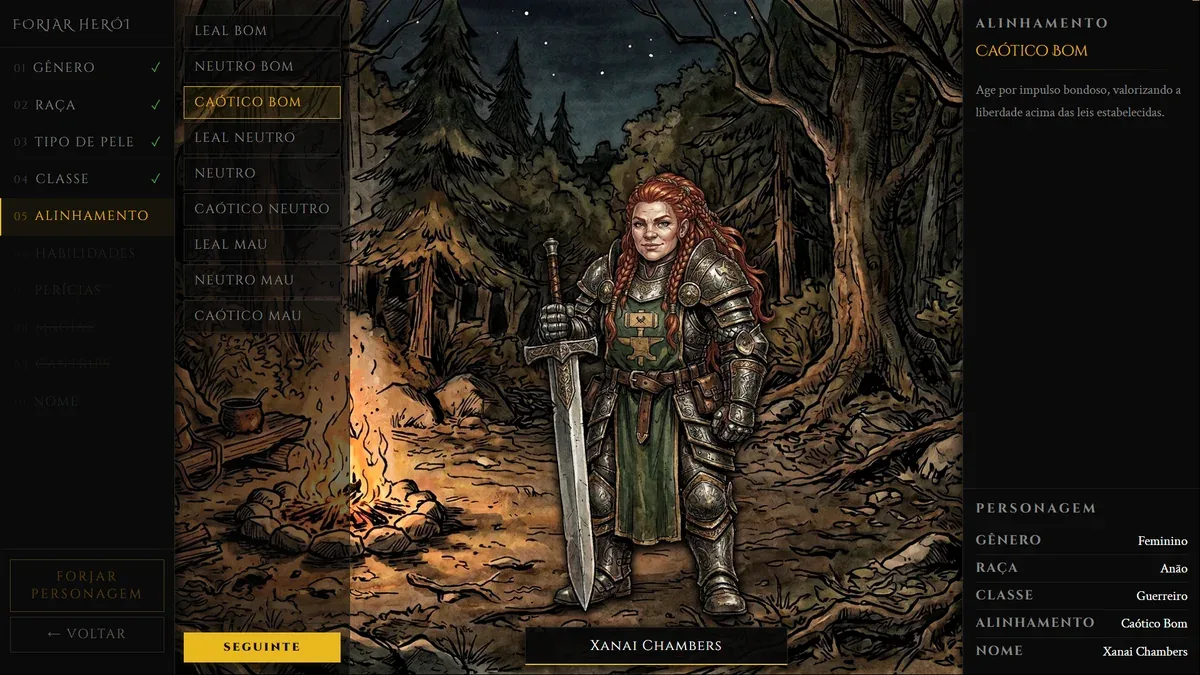
I built Mysteries & Perils around this idea, and with one stubborn conviction: that playing in the browser couldn't mean playing something shallow. It's an online gamebook, but above all it's a real RPG. You create your account, build a character, assign ability scores, step into an illustrated adventure, fight in turn-based combat, rolling the dice, upgrade your items and watch your character sheet level up. All of it in the browser tab, on your computer or your phone, with your progress saved and waiting for you. Nothing to download, nothing to configure, no mountain between you and the adventure.
The kid who waited for the CD to install would have loved it. If this idea of just opening and playing speaks to you too, join the waitlist and follow along closely.
By Mario, creator of Mysteries & Perils, a Baldur's Gate 1 fan raised on gamebooks.
Sources and further reading
- WebAssembly: Concepts (MDN Web Docs, Mozilla)
- WebGL (MDN Web Docs, Mozilla)
- Roll20, an officially licensed Wizards of the Coast partner, runs in the browser
- Learn D&D or enjoy a solo session with this official browser game (PC Gamer, on "Before the Storm")
- Cloud gaming: market size and projections (Statista)
- End of Adobe Flash Player (Wikipedia)